
Depression can affect anyone, regardless of age, gender, or background, and its onset is often marked by subtle changes that are easy to disregard or misinterpret. Recognizing the early signs can be a critical turning point in an individual’s journey toward well-being and recovery. Many people misunderstand depression as simply “feeling sad,” but this condition encompasses a broad spectrum of symptoms that can gradually interfere with personal relationships, professional life, and daily functioning. By learning to identify subtle but significant changes in mood, patterns of thinking, and day-to-day routines, you become more equipped to notice the warning signals. Taking these early signs seriously can lead to timely intervention and better outcomes. If you are in New York City and suspect that you or a loved one might be exhibiting signs of depression, connecting with a Depression Doctor NYC can be a valuable first step in getting the help you need from qualified professionals who understand the complexities of mental health care.
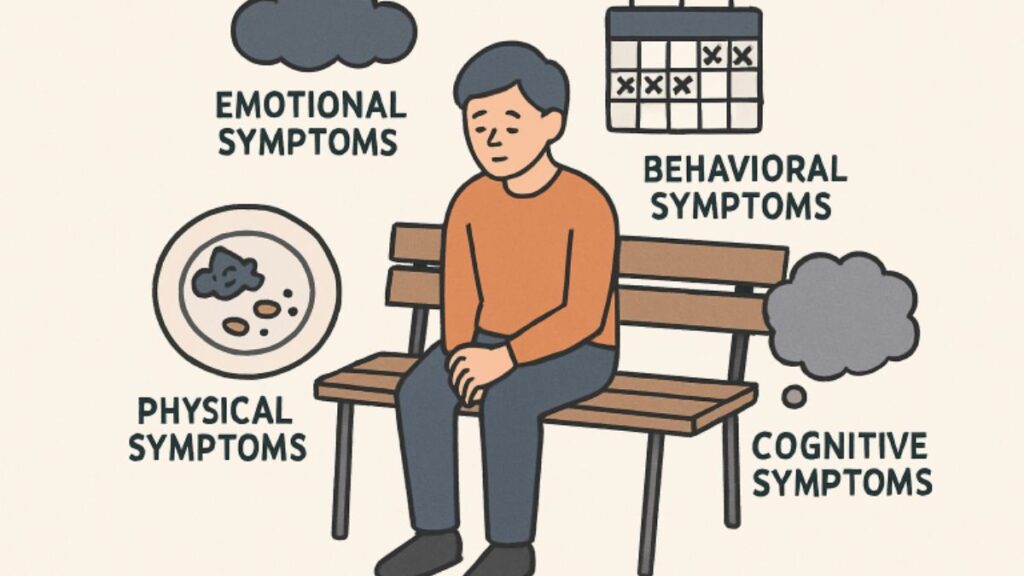
Depression often manifests through emotional burdens accompanied by physical symptoms and behavioral changes. Many individuals misinterpret these signs as ordinary stress, which can hinder recovery. Early intervention is crucial, as it significantly enhances coping and long-term mental health. This guide highlights symptoms of depression beyond temporary sadness, covering emotional, cognitive, behavioral, and physical aspects. Routine self-monitoring and checking on others can help identify early signs. For more information, consult trusted resources like the National Institute of Mental Health to prevent the silent suffering associated with undiagnosed depression.
Emotional Indicators
Persistent sadness, frequent irritability, ongoing anger, anxiety, or an overwhelming sense of helplessness are hallmark emotional indicators of early depression. These emotional shifts may come on gradually and then linger, clouding every aspect of daily life and decision-making. For many, a loss of interest in activities that were once enjoyable or fulfilling is an early sign that something is amiss. Even when surrounded by friends or family, someone experiencing depression may feel a profound sense of emotional detachment or isolation, making it difficult to connect with others, share their feelings, or ask for support. If these low or agitated moods persist for more than two weeks or start to interfere with work, school, or home life, it’s crucial to seek guidance and not ignore these warning signs.
Behavioral Changes
Aside from emotional changes, depression often leads to noticeable differences in how individuals act. These behavioral changes can include withdrawing from social events or gatherings, neglecting work or household responsibilities, and putting aside hobbies and activities once enjoyed. Sometimes the shift is gradual; a person might start declining invitations or missing deadlines, or withdraw from meaningful relationships. In other cases, behavioral symptoms can develop suddenly, manifesting as a dramatic shift that friends and loved ones might immediately notice. Unfortunately, these changes often create a self-perpetuating cycle in which decreased involvement in life’s activities worsens mood and saps motivation, which, in turn, further reduces participation in daily life. Recognizing these patterns early can be the key to interrupting this cycle before it worsens.
Physical Symptoms
The body frequently sends out the first distress signals before we consciously connect the dots to a mental health issue. Among the most common physical symptoms associated with depression are persistent fatigue or exhaustion, significant changes in appetite or weight (either loss or gain), difficulty sleeping, or, conversely, sleeping far more than usual, and unexplained aches and pains such as headaches, muscle tension, or digestive troubles. These symptoms are often misattributed to physical illnesses or life stressors, which can lead to multiple visits to primary care doctors without a diagnosis. However, if these physical complaints remain unexplained and linger for weeks, it is essential to consider the possibility of depression and seek a mental health evaluation.
Cognitive Symptoms
Depression often clouds thinking and impairs cognitive abilities. Everyday experiences reported by individuals include trouble focusing or concentrating, difficulty with decision-making, slower thought processes, and a pervasive feeling of mental “fog.” Some people may notice increasing forgetfulness or have trouble organizing their day or remembering new information. These cognitive changes can hinder productivity, sap confidence, and make everyday tasks feel overwhelming, amplifying the distress of other symptoms. If you or someone you know is feeling stuck or mentally sluggish without an obvious explanation, consider whether depression might be a root cause.
Innovative Detection Methods
The field of mental health has significantly benefited from recent technological advances that supplement traditional clinical assessment. Researchers and healthcare providers are exploring tools that leverage artificial intelligence to analyze subtle shifts in facial expression, speech cadence, and language use on digital platforms, which are often affected by changes in mood even when a person does not recognize them. Mobile health applications now enable users to track mood fluctuations, sleep patterns, and behavioral shifts in real time, providing valuable data for early detection. Wearable devices, such as smartwatches, can also continuously monitor physical markers, alerting users and healthcare providers to sudden changes. Although these tools do not replace the compassionate insight of a qualified mental health professional, they offer new and promising avenues for individuals and clinicians alike to detect early warning signs and intervene proactively. You can learn more about how these new tools are being used from Forbes, which highlights the integration of technology into modern mental health care.
Seeking Professional Help
While recognizing the signs of depression is an essential first step, knowing when and how to seek help is absolutely crucial. Trying to cope without support can increase feelings of isolation and helplessness. Reaching out to a mental health professional can help clarify what is happening and lead to personalized, evidence-based interventions. Treatments may involve psychotherapy (talk therapy), medication, lifestyle adjustments, or a thoughtful combination of approaches specifically tailored to an individual’s needs. Early intervention consistently leads to faster, longer-lasting relief from symptoms, a lower risk of recurrence, and can help restore a sense of meaning and happiness to life. It’s crucial to remember that depression is a medical condition, just like diabetes or high blood pressure, and practical help is available. Timely, compassionate support can make a profound difference in quality of life and long-term health.
Conclusion
Depression emerges through a blend of emotional, behavioral, physical, and cognitive symptoms, often beginning subtly before expanding its impact. Recognizing the earliest signs, even if they seem mild or commonplace, creates an opportunity for practical, early intervention and recovery. By educating yourself, staying alert for changes in yourself or loved ones, leveraging new detection tools, and seeking professional support, you can foster resilience and help cultivate a path toward healing and better mental health for all.