
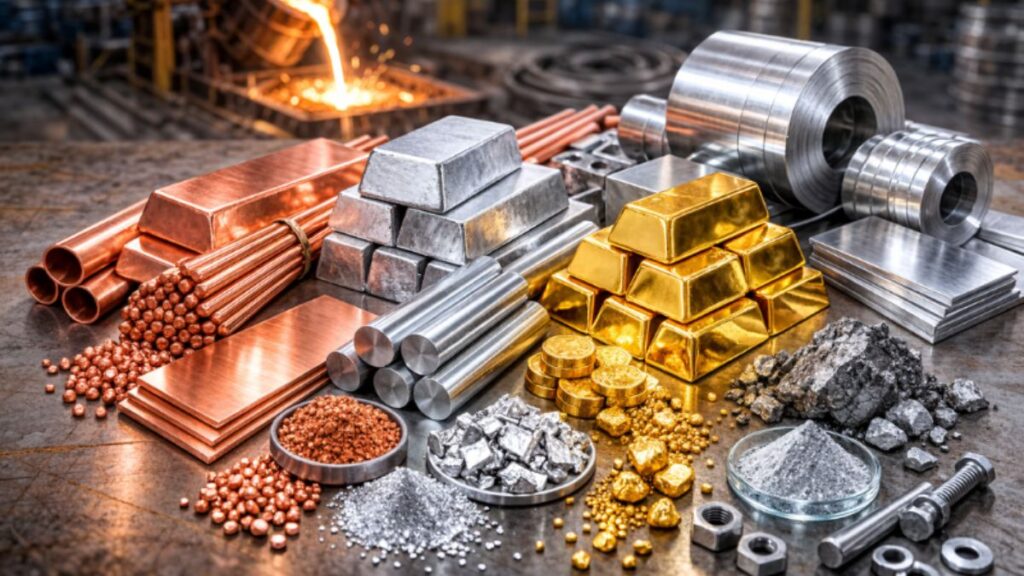
Introduction to Commercially Pure Metals
When it comes to manufacturing, the choice of materials can make all the difference. Among the myriad options available, commercially pure metals stand out for their exceptional qualities and versatility. These metals are not just a staple in various industries; they are a game-changer that elevates product performance and durability. Whether you’re crafting intricate electronics or robust industrial components, understanding the advantages of using commercially pure metals can help you make informed decisions that lead to superior results. Let’s dive into why these metals deserve your attention in today’s competitive landscape.
Benefits of Using Commercially Pure Metals in Manufacturing
Commercially pure metals offer a wealth of advantages in manufacturing processes. Their high purity levels ensure minimal impurities, which translates to enhanced performance and reliability.
These metals exhibit strong and ductile properties, making them ideal for various applications that require flexibility without compromising strength. This unique combination allows manufacturers to create intricate designs while maintaining structural integrity.
Another significant benefit is their corrosion resistance. Commercially pure metals are less prone to oxidation and degradation over time, ensuring longevity in products exposed to harsh environments.
Utilizing these materials can also lead to improved efficiency during production. With fewer defects related to material quality, manufacturers can save on costs associated with rework or waste. The benefits of commercially pure metals make them an excellent choice for many industries looking for dependable solutions.
A. High Purity Levels
High purity levels are a defining characteristic of commercially pure metals. These metals consist of minimal impurities, which enhances their overall performance in various applications.
When manufacturers choose these materials, they benefit from consistent and predictable properties. This reliability is crucial in industries like aerospace and electronics, where precision matters.
Furthermore, high purity improves the metal’s conductivity. For example, commercially pure copper boasts superior electrical conductivity compared to alloys with lower purity levels.
In addition to enhanced functionality, using such metals can simplify quality control processes. With fewer variables at play, monitoring manufacturing procedures becomes more straightforward and effective.
The advantages of high purity contribute significantly to product longevity and efficiency in design and production cycles.
B. Strong and Ductile Properties
Commercially pure metals are known for their remarkable strength and ductility. These properties make them ideal choices for various manufacturing processes.
Strength refers to the ability of a material to withstand applied forces without deforming. Commercially pure metals, such as titanium and aluminum, exhibit high tensile strength, allowing them to endure heavy loads.
Ductility complements this strength by enabling the metal to be shaped or stretched without breaking. This quality is essential in forming processes like welding or forging where flexibility is crucial.
For manufacturers, these characteristics mean fewer defects during production stages. Parts made from commercially pure metals can be fabricated into intricate designs while maintaining integrity under stress.
Moreover, the combination of strong and ductile properties allows for lightweight structures that do not compromise performance. Industries benefit greatly from using these materials in applications ranging from aerospace components to medical devices.
C. Corrosion Resistance
Corrosion resistance is a standout feature of commercially pure metals. These metals have minimal impurities, which enhances their ability to withstand environmental challenges.
When exposed to moisture and various chemicals, commercially pure metals show remarkable durability. This characteristic reduces the likelihood of rust or degradation over time. For industries like marine engineering and chemical processing, this quality is essential.
Additionally, the lack of alloying elements minimizes galvanic corrosion risks. This means that in environments where different types of metals might interact, commercially pure options maintain integrity better than many alloys.
Choosing these metals can lead to longer-lasting products with less maintenance required. Thus, they become a smart choice for manufacturers aiming for reliability and longevity in performance.
Common Applications of Commercially Pure Metals
Commercially pure metals find a wide range of applications across various industries due to their unique properties.
In the electronics sector, copper is a prime example. Its excellent conductivity makes it essential for wiring and circuit boards. The purity level ensures minimal resistance, enhancing performance.
Aerospace engineers often turn to commercially pure titanium. Its lightweight yet strong nature contributes to fuel efficiency in aircraft design.
Medical devices also benefit from these metals. For instance, commercially pure stainless steel is widely used in surgical instruments and implants due to its biocompatibility.
In the chemical industry, nickel serves as a reliable choice for corrosion-resistant components. This durability allows equipment to withstand harsh environments without degrading.
The food processing industry utilizes aluminum for packaging materials because of its non-toxic properties and recyclability. Each application showcases how the advantages of commercially pure metals enhance functionality and safety across diverse fields.
Comparison with Other Metal Alloys
Commercially pure metals stand out when compared to various metal alloys. Their lack of additional elements results in high purity levels, which significantly enhance performance.
Alloys often contain mixed materials to improve specific properties, like strength or resistance. However, this can compromise other characteristics such as ductility and conductivity. Commercially pure metals maintain a consistent quality across applications without these trade-offs.
While alloys may offer initial cost savings due to their engineered properties, the long-term performance benefits of commercially pure metals often outweigh these advantages. The durability and reliability of pure metals can lead to reduced maintenance and replacement costs over time.
Moreover, the recycling potential for commercially pure options is generally higher than that for complex alloys. This means less environmental impact during production and disposal stages—a crucial factor for many manufacturers today seeking sustainability in their operations.
Economic and Environmental Advantages
The use of commercially pure metals brings notable economic benefits to manufacturers. Their high purity levels often translate into enhanced performance and longer product lifespans. This reliability can reduce costs related to maintenance and replacements over time.
From an environmental standpoint, these metals are typically more sustainable than their alloy counterparts. They require less energy for extraction and processing, leading to a smaller carbon footprint.
Additionally, many commercially pure metals are recyclable without losing quality. This recycling capability not only conserves resources but also reduces waste in landfills.
These factors combined make commercially pure metals a wise choice for businesses aiming to minimize both expenses and environmental impact while ensuring top-notch product quality.
Tips for Choosing the Right Supplier for Commercially Pure Metals
When selecting a supplier for commercially pure metals, start by assessing their reputation. Look for companies with positive reviews and testimonials from previous clients. A strong track record indicates reliability.
Next, consider the range of products they offer. A reputable supplier should provide various forms of commercially pure metals, including sheets, bars, and custom shapes to meet diverse manufacturing needs.
Quality assurance is crucial. Verify that the supplier adheres to industry standards and certifications. This ensures you receive materials that meet your specifications.
Additionally, evaluate their customer service. Responsive communication can make a significant difference in addressing any questions or concerns during the procurement process.
Inquire about pricing structures and delivery times. Transparent pricing helps avoid unexpected costs while timely deliveries keep your projects on schedule. Choosing wisely now sets the stage for successful manufacturing down the line.
Conclusion
When it comes to manufacturing, the choice of materials can make all the difference. Commercially pure metals stand out due to their unique properties and advantages. Their high purity levels ensure that they deliver consistent performance across various applications.
With strong and ductile characteristics, these metals are ideal for processes requiring flexibility without sacrificing strength. Additionally, their inherent corrosion resistance makes them suitable for environments where exposure to moisture or chemicals is a concern.
Industries ranging from aerospace to medical devices benefit greatly from the application of commercially pure metals. Compared to traditional metal alloys, they provide superior quality while often being more economical in the long run when considering maintenance and durability.
The shift towards environmentally friendly practices also highlights the appeal of commercially pure metals. They typically require less energy during production compared to alloyed alternatives, making them an eco-conscious choice.
Selecting a reliable supplier is crucial when sourcing commercially pure metals. Look for companies with proven expertise and positive customer feedback. This ensures you receive high-quality materials that meet your specific needs.
Embracing commercially pure metals can enhance product performance and longevity while supporting sustainability efforts in manufacturing sectors worldwide.