
Suffering a personal injury accident can upend your life physically, emotionally, and financially. Understanding the types of compensation you may be entitled to is a crucial first step toward restoring your well-being and stability. Many victims overlook vital damages they can claim, so working with a legal team like quinnlawyers.com can ensure their rights and interests are fully protected from the start.
Recovering from an accident can be daunting, especially when bills pile up, work is missed, and recovery takes time. Knowing what kinds of compensation are available can empower victims to pursue every benefit they deserve. The law allows you to seek both economic and non-economic damages for expenses you can easily tally, as well as for the impacts on your quality of life.
Types of Compensation in Personal Injury Cases
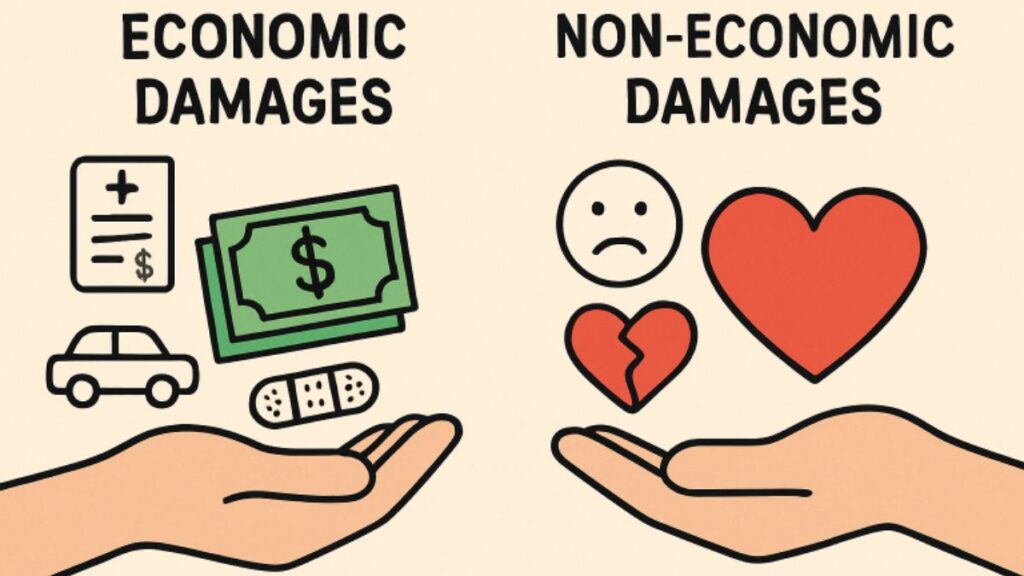
Economic Damages
Economic damages are quantifiable losses that occur as a direct result of an accident. These damages can often be proven with receipts, bills, pay stubs, or other forms of documentation.
- Medical Expenses: This category covers all costs associated with treatment, hospital bills, surgery, prescription medications, therapy, rehabilitation, and, if needed, long-term care.
- Lost Wages: If your injuries prevent you from working, compensation can cover lost income for the period you are unable to work. This includes salaries, hourly wages, bonuses, and the value of paid time off used for recovery.
- Future Earnings: Serious injuries can impair your ability to earn a living in the future. Compensation can reflect the estimated value of lost earning potential if your career is impacted in the long term.
- Out-of-Pocket Expenses: Travel costs for medical appointments, assistive devices, home modifications, and other necessary expenditures tied to the injury can also be reimbursed.
- Property Damage: If the accident resulted in damage to your vehicle, electronics, or other belongings, repair or replacement costs are commonly included in your compensation claim.
Non-Economic Damages
Some of the most profound effects of a personal injury are not easily assigned a dollar amount, yet they are just as real as financial losses. Non-economic damages can be more subjective and may vary substantially depending on the specifics of a case.
- Pain and Suffering: This damage addresses the physical pain and discomfort resulting from the injury and ongoing recovery. Severe or long-lasting injuries generally warrant higher awards.
- Emotional Distress: The psychological impact of an accident, including anxiety, depression, PTSD, or sleep disturbances, can be compensated as well, particularly when diagnosis and treatment are documented.
- Loss of Enjoyment of Life: If injuries prevent you from engaging in hobbies, exercise, or the regular pleasures of life, you may be entitled to additional compensation for these losses.
- Loss of Consortium: Your spouse or family members may also suffer as a result of your injuries. This category compensates for the loss of companionship, affection, or support due to your compromised health.
Punitive Damages
In rare instances, courts may award punitive damages in addition to compensatory damages. These are not tied to your actual losses but are designed to punish the at-fault party for especially reckless or malicious behavior, and to deter similar conduct in the future. Punitive damages are most often granted when the responsible party’s actions were intentional or grossly negligent.
How Compensation Is Calculated
Assessing the full value of a personal injury claim involves reviewing medical reports, financial records, and documentation of pain and suffering. For non-economic damages, courts and insurance companies may use several calculation methods, such as the multiplier method (multiplying economic damages by a certain number based on injury severity) or the per diem method (assigning a daily value to pain and suffering). Each case is unique, and legal expertise is valuable in presenting the full extent of your losses convincingly.
Why Legal Representation Matters
The process for seeking fair compensation can be complex and adversarial. Insurance companies often aim to limit payouts, even when your needs are well-documented. Having experienced legal counsel means your claim is accurately presented and aggressively pursued, so you receive the full amount you are entitled to after such a disruptive event. Detailed case preparation, negotiation skills, and willingness to go to trial can make all the difference.
Documenting Your Losses
Every document and photograph can make a difference. Save all medical records, receipts, pay stubs, accident reports, and correspondence with insurers or care providers. Keeping a daily journal of your symptoms and the impact on your everyday life can strengthen your claim for non-economic damages. Accurate, comprehensive documentation ensures that when it is time to settle or litigate, the true scope of your losses is clear.
Final Thoughts
Being aware of what compensation may be available after a personal injury accident ensures you do not leave benefits on the table. From medical bills to pain and suffering, the law exists to make you whole again. With proper guidance, diligent documentation, and a comprehensive claim, you can recover the maximum compensation and move forward from your accident with stability and support.