
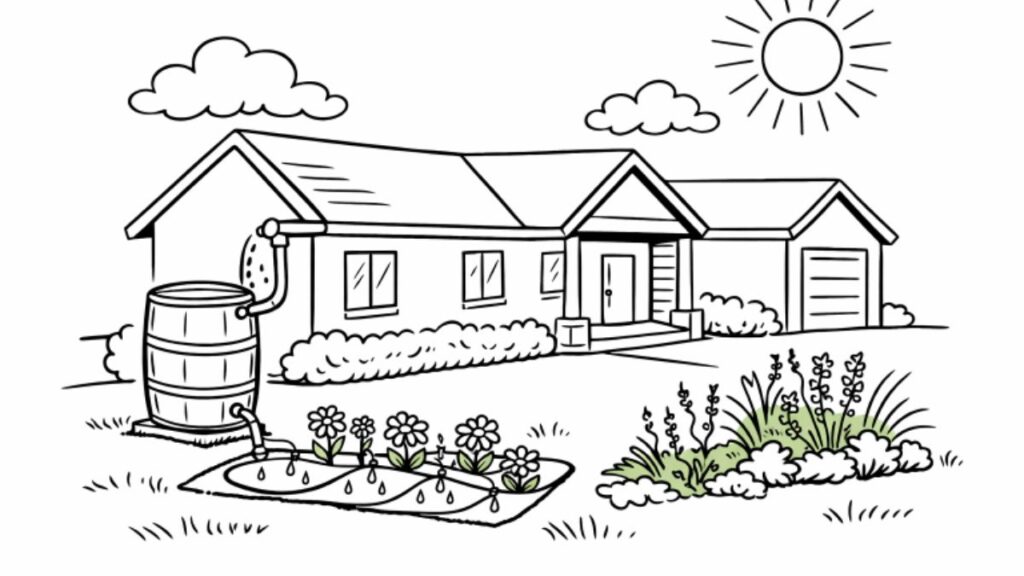
Suburban homeowners often face the challenge of keeping their lawns vibrant and green while navigating water restrictions and growing environmental concerns. Water conservation is not only essential for the environment, but it can also make a noticeable difference in the health and resilience of your lawn. By adopting effective strategies and technologies such as efficient irrigation systems, you can create a beautiful landscape that requires less water and maintenance. One effective solution is exploring irrigation & sprinkler systems, which can significantly improve watering efficiency while supporting long-term lawn health and sustainability.
In recent years, shifts in climate and local water-use guidelines have underscored the importance of adjusting traditional lawn-care routines. Sustainable irrigation practices account for weather patterns, soil conditions, and plant selection to reduce water use without sacrificing visual appeal or lawn vitality. Homeowners can benefit both environmentally and economically by making informed choices about when and how to water their lawns.
Beyond keeping your lawn green, embracing sustainability in landscape design opens the door to more visually interesting, climate-adapted yards. Wise water use is only one aspect. Incorporating smart controllers, drought-tolerant plants, and mulching can keep your landscape thriving, while thoughtful system installation helps direct resources exactly where needed. These methods, recommended by environmental agencies and landscape experts, establish a new standard for responsible suburban landscaping.
While efficient watering should be a top priority, modern landscape enhancements such as layered outdoor lighting can further elevate curb appeal and safety without compromising sustainability principles. Thoughtful lighting placement can accentuate key features and extend outdoor enjoyment into the evening, all while using energy-efficient technologies.
Smart Irrigation Controllers
Traditional irrigation methods, particularly those on fixed timers, can lead to excessive watering and wasted water. The latest smart irrigation controllers use weather data and soil moisture sensors to monitor changing conditions. By automatically adjusting watering schedules, these controllers ensure your lawn receives moisture only when it needs it. According to the Environmental Protection Agency (EPA), switching to WaterSense-labeled irrigation controllers can save the average household up to 15,000 gallons of water annually. These savings benefit both the homeowner and the wider community by lessening demand on local water supplies.
Drought-Tolerant Grasses
Selecting grasses suited to local climate and soil conditions ensures a lawn remains healthy during dry periods without frequent irrigation. Drought-tolerant turf types, such as hybrid Bermudagrass and certain fescues, have deep root systems and natural resilience to stress. Research indicates that these grasses thrive on far less water than traditional species, maintaining their color and density even during summer droughts. This adaptation reduces the need for supplemental watering, fertilizer, and maintenance, thereby saving resources and lowering the environmental footprint.
Native Plant Landscaping
Incorporating native plants into landscaping makes sense both environmentally and aesthetically. Plants native to a region are already adapted to local weather and soil conditions, reducing the need for artificial irrigation. Substituting sections of traditional turf with native grasses, flowering perennials, or shrubs can boost biodiversity and draw pollinators without demanding additional resources. Popular choices in many suburban areas include ornamental grasses, Russian sage, and drought-tolerant wildflowers, which add color and variety to the yard with minimal effort.
Proper Lawn Maintenance
Sustainable irrigation is closely linked to routine lawn care practices. Mowing grass at higher settings encourages deeper root growth, enabling the lawn to tap into moisture reserves located further underground. Aeration is another vital maintenance task, as it relieves soil compaction and improves water penetration. Applying fertilizer in accordance with your region’s climate, especially during the fall, strengthens turf ahead of dry periods. Collectively, these actions result in a lawn that needs less water and is better equipped to withstand environmental stresses.
Drip Irrigation Systems
For flower beds, gardens, and areas with shrubs, drip irrigation systems deliver water more efficiently. Unlike spray irrigation, which can be affected by wind and evaporation, drip lines release water directly at the soil surface near plant roots. This reduces waste, ensures efficient absorption, and discourages weed growth by keeping non-planted areas dry. Installing drip irrigation can be a straightforward DIY project or professionally installed as part of a comprehensive lawn system.
Rainwater Harvesting
Collecting rainwater is an effective way to supplement irrigation needs, especially during peak growing seasons. Simple rain barrels placed below downspouts or more elaborate cistern setups capture precipitation for use during dry spells. This method lessens reliance on municipal water, saves money on utility bills, and promotes environmental stewardship. Homeowners should consult local guidelines to ensure their system meets regional standards and is safe for landscape use.
Mulching Techniques
Mulch helps to retain soil moisture, suppresses weed growth, and regulates soil temperature. Organic mulches, such as shredded wood and straw, decompose over time and replenish nutrients in the soil. Apply a layer of mulch around trees, shrubs, and flower beds to enhance both water retention and plant health. Mulching can reduce irrigation requirements and improve the visual appeal of your landscaping.
Xeriscaping Principles
Xeriscaping is a landscape design approach that reduces the need for supplemental irrigation by using drought-resistant plants and hardscaping materials. This technique not only creates attractive yards but also lowers water bills and maintenance time. Incorporating sustainable practices leads to healthier lawns and supports environmental conservation, enabling homeowners to craft beautiful, functional outdoor spaces.
Conclusion
In conclusion, adopting sustainable irrigation and landscaping practices is essential for creating healthy, water-efficient outdoor spaces. From smart irrigation controllers and drip systems to drought-tolerant grasses, native plants, and xeriscaping principles, each strategy contributes to meaningful water conservation and reduced environmental impact. By combining thoughtful lawn maintenance with innovative, eco-friendly solutions, homeowners can enjoy vibrant landscapes while reducing water use, lowering maintenance costs, and supporting long-term environmental sustainability.