
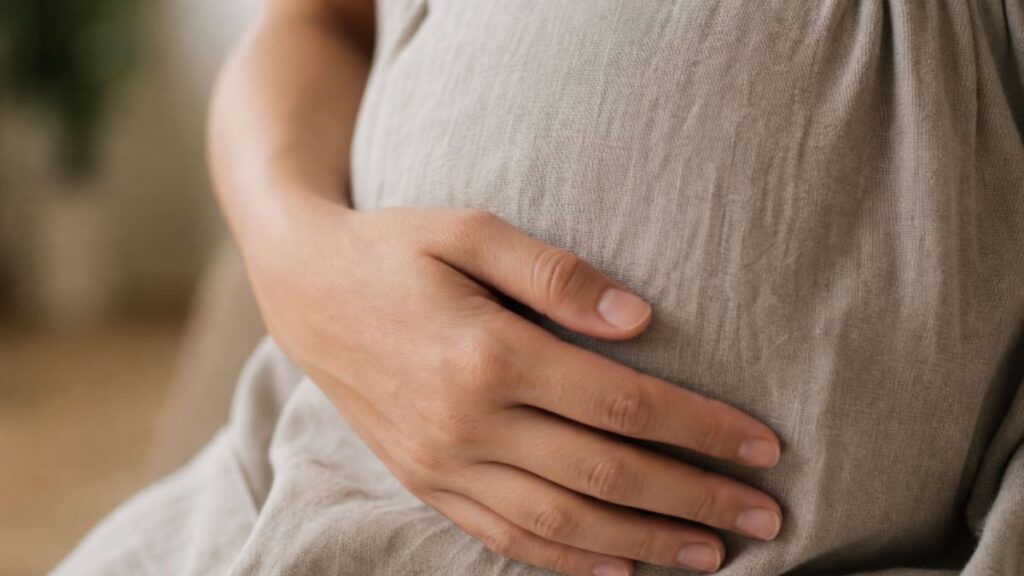
Pregnancy, birth, and the postpartum months can change the way the body moves, feels, and functions. Leaking urine, pelvic pressure, constipation, pain, or discomfort with exercise are often described as normal parts of the process. They may be common, but they are not concerns that anyone must simply accept without support. Pelvic Floor Therapy can offer an individualized way to understand symptoms and build a plan around daily life, recovery, and personal goals.
Pelvic health is not only about doing more exercises. It involves strength, relaxation, coordination, breathing, bowel and bladder habits, sleep, movement, and recovery. Whether someone is preparing for pregnancy, currently pregnant, newly postpartum, or years beyond childbirth, a symptom-based approach can make care more useful and sustainable.
What the Pelvic Floor Does
The pelvic floor is a group of muscles and connective tissues at the base of the pelvis. It supports the bladder, bowel, and reproductive organs while also working with the diaphragm, abdominal muscles, hips, and spine. These muscles help control urine and stool, contribute to sexual function, support posture, and respond when a person coughs, lifts, runs, or jumps.
A healthy pelvic floor needs to do more than squeeze. It must contract when support is needed, then lengthen and relax for urination, bowel movements, comfortable intercourse, and efficient movement. Weakness can contribute to symptoms, but so can muscles that are overly tense, painful, or poorly coordinated.
How Pregnancy Changes Pelvic Health
During pregnancy, the growing uterus increases downward pressure through the abdomen and pelvis. Hormonal changes can affect connective tissue, while changes in posture, gait, body weight, and sleep can add stress to the low back, hips, and pelvic region. Urinary urgency, leakage, pelvic girdle pain, and constipation may develop as the body adapts.
Birth can affect muscles, nerves, connective tissue, and scar tissue. Vaginal birth and cesarean birth involve different physical experiences, but either can be followed by pelvic floor symptoms. Research suggests that pelvic floor muscle training may improve muscle strength and help reduce urinary symptoms during pregnancy and after birth, particularly when the program is appropriate for the individual. A recent systematic review of pelvic floor muscle training offers additional context on these findings.
Symptoms Worth Addressing
Symptoms can be common without being unavoidable. Consider speaking with a qualified clinician when pelvic concerns are persistent, worsening, or affecting daily activities. Examples include:
- Urine leakage with coughing, sneezing, lifting, running, or jumping.
- A sudden, hard-to-control urge to urinate or frequent bathroom trips.
- Difficulty emptying the bladder, constipation, straining, bowel urgency, or stool leakage.
- Pelvic heaviness, pressure, bulging, or a sensation that something is falling.
- Pain with sitting, walking, exercise, bowel movements, or intercourse.
- Ongoing tailbone, hip, abdominal, pelvic, or low back pain.
Why Kegels Are Not the Whole Answer
Kegels are pelvic floor contractions. They can be helpful for some people, but repeated squeezing is not a universal solution. Someone with a tense pelvic floor may need to learn relaxation and lengthening before adding strengthening. Others may benefit most from better breathing patterns, hip and trunk strength, posture adjustments, or improved timing during activity.
For example, a runner who leaks may not simply need a stronger pelvic floor. They may need to coordinate exhaling with impact, improve pressure control, adjust training volume, or strengthen the legs and hips. Copying a routine from social media without knowing whether the muscles are weak, tight, or uncoordinated can delay progress.
Exercise and Postpartum Recovery
Movement is often valuable during pregnancy and postpartum recovery. Walking, swimming, mobility work, strength training, and modified impact exercise can all have a place when cleared by the pregnancy or postpartum care team. The key is matching activity to current capacity rather than following a rigid timeline.
Symptoms are useful feedback. Leakage, pain, pressure, heaviness, or prolonged fatigue may mean an activity needs modification, not necessarily complete avoidance. Helpful changes can include reducing impact, lowering load, shortening a workout, taking more recovery days, changing breathing strategy, or choosing a different exercise variation. A gradual return to running, jumping, lifting, and sport is often more productive than rushing to meet a calendar date.
Postpartum recovery may also involve abdominal separation, scar sensitivity, weakness, disrupted sleep, and changing demands from infant care. A clinical overview of childbirth-related pelvic floor disorders explains how pregnancy and delivery can affect pelvic muscles, nerves, and connective tissue, sometimes long after birth.
When Pelvic Floor Physical Therapy May Help
Pelvic floor physical therapy is assessment-based care, not a one-size-fits-all exercise sheet. A therapist may begin with questions about bladder and bowel habits, pain, pregnancy and birth history, sleep, activity, and the situations that trigger symptoms. They may also assess breathing, posture, walking, hip movement, abdominal control, and spinal mobility.
If appropriate and with consent, an assessment may include pelvic floor strength, endurance, relaxation, and coordination. Treatment can include education, mobility work, strength training, hands-on care, breathing drills, bladder or bowel strategies, and practical changes to lifting, exercise, or daily routines. Progress may look like fewer leaks, easier bowel movements, less pain, better sleep, or greater confidence during exercise.
What to Expect During an Evaluation
Patients can ask questions before agreeing to any part of an evaluation. An internal examination is not always necessary, and it should never occur without informed consent. The first visit may focus entirely on conversation, education, and external movement testing.
Helpful Questions to Ask
- Will the evaluation be painful?
- Can treatment begin during pregnancy?
- How can I return to running or strength training safely?
- What can I do about pain, pressure, or leakage now?
- Does my insurance cover pelvic floor therapy?
Daily Habits That Support Pelvic Health
- Use relaxed breathing instead of holding the breath during lifting and effort.
- Increase fiber and fluids gradually when constipation is a concern.
- Consider a footstool during bowel movements if it improves comfort and positioning.
- Avoid regularly delaying urination for unusually long periods.
- Build strength in the hips, legs, back, and core instead of focusing on one area alone.
- Change positions throughout the day and use symptoms as feedback for activity adjustments.
When to Contact a Medical Professional
Seek prompt medical care for new or severe pelvic pain, heavy bleeding, fever, signs of infection after birth, inability to urinate or pass stool, sudden loss of bladder or bowel control, new leg weakness or numbness in the saddle area, or a painful and rapidly worsening pelvic bulge. Also, contact a clinician when symptoms interfere with sleep, work, exercise, relationships, or emotional well-being.
Building a Long-Term Pelvic Health Plan
Pelvic health is not limited to pregnancy or the first weeks after delivery. A practical long-term plan can include regular movement, recovery, bowel and bladder support, symptom tracking, and professional guidance when needed. The most effective approach is personal: it should reflect the individual’s symptoms, goals, body, and stage of life.