
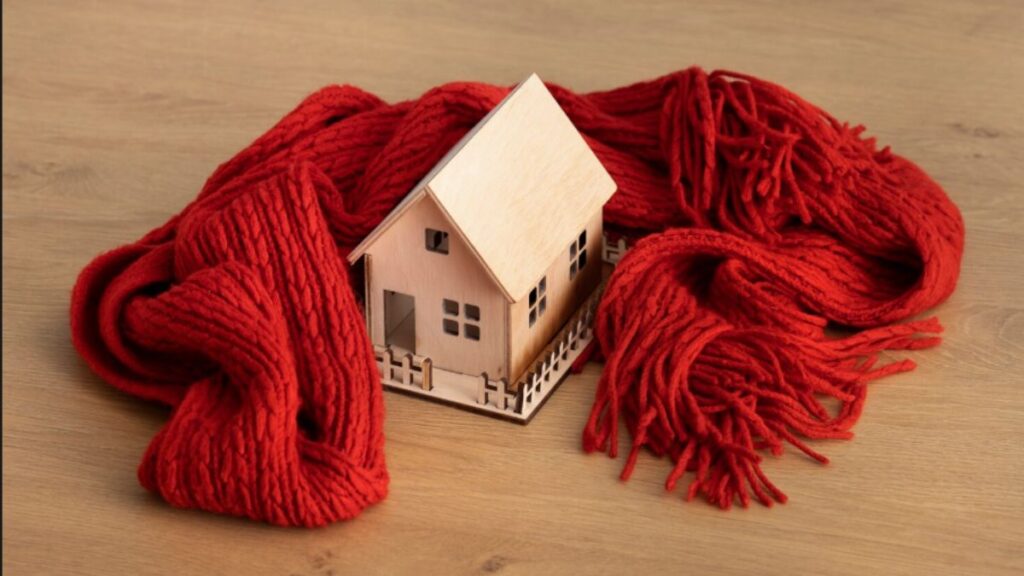
Insulation is one of the most overlooked yet impactful investments a homeowner can make. Hidden inside walls, attics, and floors, it works quietly to keep heat where you want it, summer and winter alike. A well-insulated home stays comfortable with less energy, costs less to heat and cool, and is quieter and more resistant to moisture problems. In 2026, with energy prices remaining a concern for many households, understanding your insulation options is a smart first step toward a more efficient home. This guide explains the main types of insulation, where they work best, and how to decide what your home actually needs.
How Insulation Works
Insulation slows the transfer of heat between the inside of your home and the outdoors. Its effectiveness is measured by R-value, which indicates resistance to heat flow; a higher R-value means better insulating performance. The right amount depends on your climate and which part of the home you are insulating. The U.S. Department of Energy publishes recommended R-values by region, which is a reliable starting point before you compare products or contractors.
Common Types of Insulation
Each type of insulation has strengths suited to different applications and budgets.
- Fiberglass batts: affordable and widely available, ideal for standard wall cavities and attics.
- Blown-in cellulose: good for filling irregular spaces and existing walls without major demolition.
- Spray foam: offers high R-value per inch and seals air leaks, though it costs more upfront.
- Rigid foam boards: useful for basements, foundations, and exterior sheathing.
For a closer look at one of the most effective options, our guide on foam insulation cost, benefits, and ROI in 2026 walks through where spray foam delivers the most value.
Where to Insulate First
Not all areas of a home contribute equally to energy loss. The attic is usually the highest priority, since heat rises and escapes through the roof. After that, exterior walls, floors over unheated spaces, basements, and crawl spaces are worth attention. Sealing air leaks around windows, doors, and penetrations should go hand in hand with insulation, because even the best insulation underperforms if air is leaking freely around it.
Health and Safety Considerations
Insulation does more than save energy; it also affects indoor air quality and moisture control. Proper installation prevents condensation that can lead to mold, and adequate ventilation keeps indoor air healthy. The U.S. Environmental Protection Agency offers guidance on maintaining healthy indoor air, which is an important companion to any insulation upgrade. When working with older homes, it is also wise to confirm that existing materials are safe to disturb before starting any project.
DIY Versus Professional Installation
Some insulation projects, such as adding batts to an accessible attic, are well within reach for a confident do-it-yourselfer. Others, particularly spray foam and dense-pack applications, are best left to professionals who have the right equipment and training. Getting multiple estimates helps you understand fair pricing, and checking credentials protects you from poor workmanship. For neutral advice on hiring and vetting contractors, the Federal Trade Commission provides consumer-focused resources worth reviewing before you sign any agreement.
Protecting Your Investment
Insulation is a long-term investment that works best as part of a broader home-maintenance routine. Keeping heating and cooling systems in good shape ensures the savings from better insulation are not lost to inefficient equipment. Our guide on furnace maintenance for 2026 pairs naturally with insulation upgrades, since a well-maintained system and a well-insulated home together deliver the lowest energy bills and the most consistent comfort.
Final Thoughts
Home insulation in 2026 is one of the most reliable ways to improve comfort and reduce energy costs at the same time. By understanding R-values, choosing the right material for each area, prioritizing the attic and air sealing, and deciding sensibly between DIY and professional work, homeowners can make upgrades that pay off for years. Insulation may be hidden from view, but its impact on your comfort and your budget is anything but invisible.