
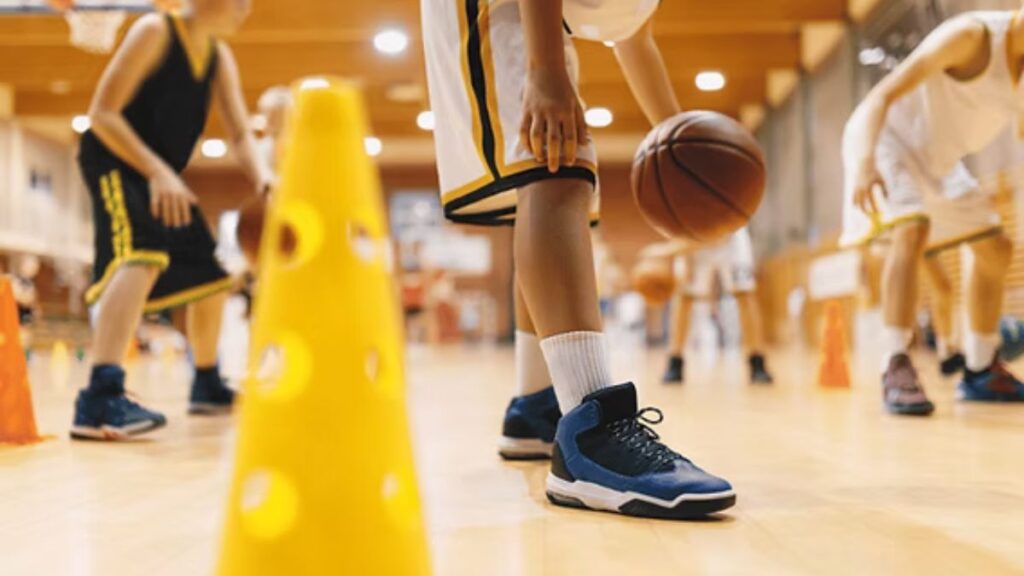
Participating in youth basketball tournaments offers more than just the thrill of competition; it cultivates essential life skills that benefit young athletes well beyond the court. These events serve as dynamic platforms for personal growth, teamwork, and resilience, shaping participants’ lives in meaningful and enduring ways. Basketball tournaments present structured yet exciting environments where young players can set goals, face challenges, and celebrate achievements, instilling confidence and determination. Organizations like the Chicagoland Youth Basketball Network (CYBN) play a pivotal role in providing such opportunities. CYBN is dedicated to offering high-quality, cost-effective basketball events across the Chicago metropolitan area, emphasizing skill development and competitive excellence. By focusing on accessible and enriching basketball experiences, organizations like CYBN ensure that kids from all backgrounds have a fair chance to hone their physical abilities and character traits, paving the way for brighter futures both on and off the court.
Physical Health Benefits
Engaging in basketball tournaments encourages regular physical activity, which is crucial for developing strength, endurance, and overall health in young people. According to the Indiana Youth Institute, participation in organized sports helps youth meet activity guidelines. It reduces the risk of obesity and related health issues such as diabetes and heart disease. When young athletes join basketball tournaments, they are often motivated to train consistently, attend practices, and push themselves physically, thereby developing healthy habits that extend far beyond their teenage years. Regular involvement in such activities stimulates cardiovascular health, muscle tone, bone density, and coordination, laying the foundation for a healthy lifestyle into adulthood. The aerobic exercise that basketball provides also improves mood and reduces symptoms of anxiety and depression, contributing positively to mental well-being. By staying active through competitive sports, young participants set themselves up for a life characterized by greater energy, reduced health risks, and stronger self-esteem.
Teamwork and Communication
Basketball is inherently a team sport that requires players to work together towards a common goal, making teamwork and communication two of its most vital components. Through tournaments, young athletes learn to communicate effectively on and off the court, whether calling for the ball, helping teammates navigate plays, or resolving disagreements calmly. These experiences help participants better understand group dynamics and foster a willingness to both lead and follow as the situation demands. Learning to listen to coaches, accept constructive criticism, and contribute ideas to group discussions strengthens their ability not just to be a team player in sports but also in academic group projects, extracurricular activities, and eventually, professional environments. In addition, effective communication and collaboration skills, such as giving clear directions, encouraging peers, and negotiating differences, are essential in the workplace, and early exposure to these through sports can be highly beneficial for their future development as community members and leaders.
Leadership Development
Participating in tournaments often puts players in situations where they must take initiative, make quick decisions, and motivate teammates, all hallmarks of effective leadership. Young athletes frequently rotate roles within their teams, sometimes serving as captains or being relied upon to help organize practice drills or strategies. These opportunities teach them the importance of accountability, perseverance, and leading by example. Leadership development emerges from encouraging teammates after tough losses, making split-second decisions under pressure, and resolving conflicts that may arise during the heat of competition. Learning to inspire others and to manage tensions constructively are valuable attributes that transfer readily into academic settings, future employment, and community involvement. Youth athletes who assume leadership roles gain confidence and assertiveness, understanding how their efforts can positively influence group outcomes and motivate collective improvement, equipping them to excel anywhere teamwork and character matter.
Resilience and Pressure Handling
Competitive environments like tournaments teach players to handle pressure, cope with setbacks, and bounce back from losses—cultivating grit and resilience. Making a critical free throw in the final seconds or recovering from a missed shot tests a young athlete’s mental toughness in ways that simple practice or scrimmages cannot. These experiences expose them to the realities of disappointment and failure while also providing safe spaces for personal growth and recovery. Youth athletes learn that mistakes offer valuable lessons and that perseverance can lead to eventual success. Developing the capacity to manage stress, maintain composure under pressure, and continue striving toward goals is invaluable; it translates into better performance on academic exams, in job interviews, and in other high-stakes situations throughout life. As they continue to face and overcome challenges, young players carry lessons in resilience and adaptability, better equipped to navigate the uncertainties of adulthood with confidence.
Social Connections and Community Engagement
Tournaments bring together diverse groups, fostering social interactions and community involvement among participants from different neighborhoods, schools, and backgrounds. Programs like After School Matters in Chicago empower youth through sports, arts, and leadership opportunities, highlighting the role of such initiatives in community building and personal development. Interacting with a wide variety of peers allows young athletes to expand their social circles, develop empathy, and appreciate cultural differences. The supportive environment of a basketball tournament encourages lasting friendships, effective conflict resolution, and a greater appreciation for teamwork and fair play. Beyond forming bonds with other players, youth athletes also connect with coaches, mentors, and volunteers, further strengthening community ties. Participating in these events allows young people to engage with their communities, promote a sense of belonging, and develop civic responsibility—a sense that their contributions matter, both on the court and in the community at large.
Academic Performance and Future Prospects
Involvement in sports has been consistently linked to improved academic performance thanks to the structure, discipline, and motivation that athletic participation encourages. The Indiana Youth Institute notes that student-athletes often have better school attendance, higher GPAs, and higher rates of high school completion and college enrollment than their non-participating peers. The goal-setting, persistence, and time management skills required to juggle practices, games, and coursework translate directly into academic success, as players must learn to prioritize their assignments and maximize focus during study time. Additionally, the confidence and sense of achievement drawn from athletic accomplishments can inspire young people to set ambitious educational and career goals. Experience with teamwork, leadership, and pressure handling prepares them for college interviews, group projects, and future jobs. Often, these skills and experiences give student-athletes a competitive edge when applying to colleges and internships, helping them stand out as well-rounded, determined, and capable individuals.
Conclusion
Youth basketball tournaments are more than just games; they are arenas for developing essential life skills that leave a lasting impact. By participating, young athletes gain physical fitness, teamwork abilities, leadership qualities, resilience, social connections, and academic advantages that serve them throughout their lives. Each tournament offers opportunities for growth, empowerment, and meaningful experiences that can shape a lasting character. Organizations like the Chicagoland Youth Basketball Network (CYBN) play a crucial role in providing these opportunities, emphasizing skill development and competitive excellence across the Chicago metropolitan area. By supporting youth sports, we enable children to discover their potential, learn important values, and become tomorrow’s leaders—both on the court and in life.