
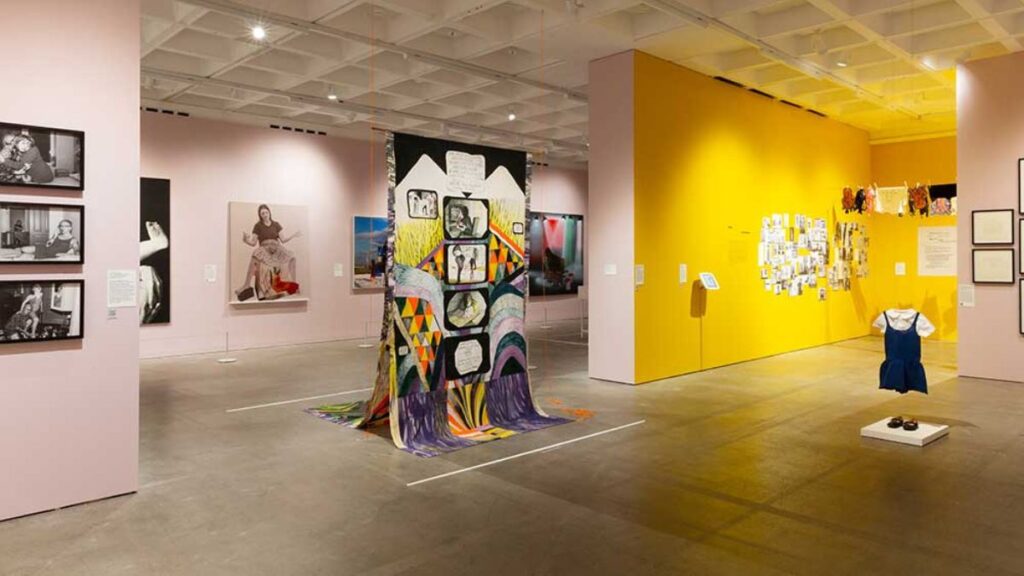
Introduction to the concept of Nativität (birth) in art
Birth is one of the most profound experiences known to humanity, a moment that encapsulates hope, joy, and new beginnings. Throughout history, artists have sought to capture this miraculous event through their work. The concept of Nativität transcends mere representation; it embodies an emotional journey that resonates across cultures and eras.
From ancient frescoes to contemporary installations, nativity art serves as a window into our collective consciousness about life’s beginnings. Each piece invites us to explore the beauty and significance of birth in unique ways—challenging our perceptions while celebrating the miracle itself. As we delve into the world of Nativität in art, we uncover not just stunning visuals but also deep-rooted meanings that continue to inspire us today. Join me as we explore how artists have immortalized this timeless theme throughout history!
Historical examples of nativity art
Throughout history, nativity art has captured the essence of birth in profound ways. One of the earliest examples is found in the catacombs of Rome, where Christians depicted scenes of Christ’s birth to convey hope and faith during persecution.
The Middle Ages saw a surge in nativity works, primarily as altarpieces. Artists like Giotto portrayed tender moments between Mary and Jesus, emphasizing humanity’s connection to divinity. His use of emotion set a new standard for religious art.
During the Renaissance, masters such as Leonardo da Vinci created intricate compositions that highlighted not just divine significance but also realism. Da Vinci’s “Virgin of the Rocks” illustrates this blend beautifully.
In contrast, Baroque artists like Caravaggio introduced dramatic lighting and emotional intensity into their depictions. This movement drew viewers closer to the narrative through dynamic expression and vivid detail.
Religious significance and symbolism in nativity art
Nativity art holds profound religious significance, often depicting the birth of Jesus Christ. This event marks a pivotal moment in Christianity, symbolizing hope and divine love.
Artists utilize various symbols to convey deeper meanings. The presence of animals like sheep and donkeys signifies humility and connection to nature. Often, Mary is portrayed with a halo, representing her purity and sanctity as the mother of Christ.
The star above the scene reflects guidance and illumination, leading wise men to worship. Each element within nativity art serves not just as decoration but as a narrative tool revealing theological insights.
Colors also play an essential role; gold often represents divinity while blue symbolizes tranquility and peace. Together, these elements create a rich tapestry that invites viewers into the sacred mystery of birth—a celebration that transcends time and culture.
Evolution of nativity art over time and across cultures
Nativity art has undergone significant evolution throughout history, reflecting the cultural and societal contexts of different eras. In early Christian art, depictions were often simplistic and focused on the divine aspect of birth. Frescoes in catacombs illustrated a humble scene meant for meditation.
As the Byzantine era emerged, artists infused their works with elaborate symbolism. Gold backgrounds and intricate details emphasized divinity over realism.
The Renaissance brought a shift toward humanism. Artists like Michelangelo captured realistic emotions and expressions in nativity scenes, making them relatable to viewers.
Across cultures, interpretations vary widely. In Asia, nativity themes blend local traditions with biblical narratives, showcasing rich tapestries of culture.
In modern times, contemporary artists challenge traditional boundaries by experimenting with mixed media or abstract forms while still celebrating the essence of birth’s beauty through their unique lens.
Famous artists known for their nativity works
Throughout history, many artists have captured the essence of nativität through their unique lenses. One standout is Giotto di Bondone, whose frescoes in the Scrovegni Chapel breathe life into biblical narratives with a touch of realism.
Then there’s Leonardo da Vinci. His “Virgin of the Rocks” beautifully portrays maternal tenderness and divine presence intertwined at birth.
Caravaggio took a different approach during the Baroque period. His dramatic use of light highlights emotion in his nativity scenes, making them visceral and raw.
In modern art circles, Marc Chagall’s whimsical interpretations bring a dreamlike quality to the theme. His vibrant colors and surreal elements evoke deep feelings tied to birth and rebirth.
Each artist offers a distinct perspective on nativität, creating an ever-evolving tapestry that reflects cultural beliefs surrounding this universal phenomenon.
Contemporary interpretations and styles of nativity art
Contemporary interpretations of nativität art reflect the diversity of today’s society. Artists often explore themes beyond traditional representations, incorporating personal narratives and cultural contexts.
Many modern pieces utilize mixed media, blending photography, sculpture, and digital art. This approach challenges viewers to rethink conventional depictions of birth and its significance.
Minimalist styles can also be observed in recent works, focusing on simplicity to evoke emotion. The absence of intricate details allows the essence of nativität to shine through more powerfully.
Street artists are redefining this theme as well. Murals capture scenes that resonate with urban life, connecting spiritual rebirth with everyday experiences.
Digital platforms have opened new avenues for sharing these creations. Social media allows artists to reach global audiences instantly, showcasing their unique perspectives on birth’s beauty across cultures and communities.
The impact of technology on portraying birth in art
Technology has revolutionized how artists express the theme of nativität. Digital tools allow for unprecedented creativity and precision. Artists can manipulate colors, textures, and forms that traditional mediums often restrict.
Virtual reality opens up immersive experiences where viewers engage with birth scenes in a three-dimensional space. This level of interaction brings new depth to understanding the emotions surrounding birth.
Photography also plays a crucial role. Through the lens, moments of raw emotion are captured in real-time, presenting birth as both intimate and universal.
Moreover, social media platforms serve as galleries for contemporary interpretations of nativität. Artists share their work with global audiences instantly, fostering diverse dialogues about motherhood and rebirth across cultures.
The merging of art and technology continuously reshapes narratives around birth—not just through visual representation but by connecting communities worldwide in shared experiences.
Conclusion: Celebrating the beauty and miracle of birth through art
Art has an incredible ability to capture the essence of life’s most profound moments. The theme of nativität, or birth, resonates deeply within various cultures and artistic expressions. From ancient sculptures to contemporary paintings, artists have depicted this miracle with reverence and creativity.
Throughout history, nativity art has served not only as a reflection of societal beliefs but also as a medium for communicating emotions tied to creation, hope, and renewal. Each piece tells a unique story while evoking universal feelings about family and new beginnings.
As we explore different interpretations across time periods and cultural contexts, it becomes clear that the celebration of birth is timeless. Today’s artists continue to innovate in how they represent this sacred event through diverse styles—from abstract forms to digital renderings—showing that the beauty of nativität remains ever-relevant.
The evolution brought by technology further enhances our appreciation for these works. Digital tools allow creators to experiment beyond traditional boundaries, making nativity themes accessible in fresh ways that resonate with modern audiences.
Celebrating the beauty inherent in birth through art unites us all. It reminds us that despite differences in culture or technique, there exists a shared acknowledgment of life’s precious beginnings—a theme worthy of endless exploration and admiration.