Creating a safe home environment is crucial for protecting your loved ones and giving your family peace of mind. Taking the right precautions can prevent many of the most common accidents and emergencies. As you review your home’s safety, consider how simple enhancements, such as routine maintenance and smart security upgrades, can make a significant difference. If you want to take your protection even further, investing in reliable coverage like AAA home insurance offers an added layer of security.
By addressing a few key areas within your home, from fire prevention to emergency preparedness, you can dramatically reduce risks. Whether you are a new homeowner or just want to update your household’s safety measures, the recommendations below provide a comprehensive approach to keeping your family safe year-round. Prioritizing these safety habits ensures your home remains a true haven for everyone who lives there.
Install Smoke and Carbon Monoxide Detectors
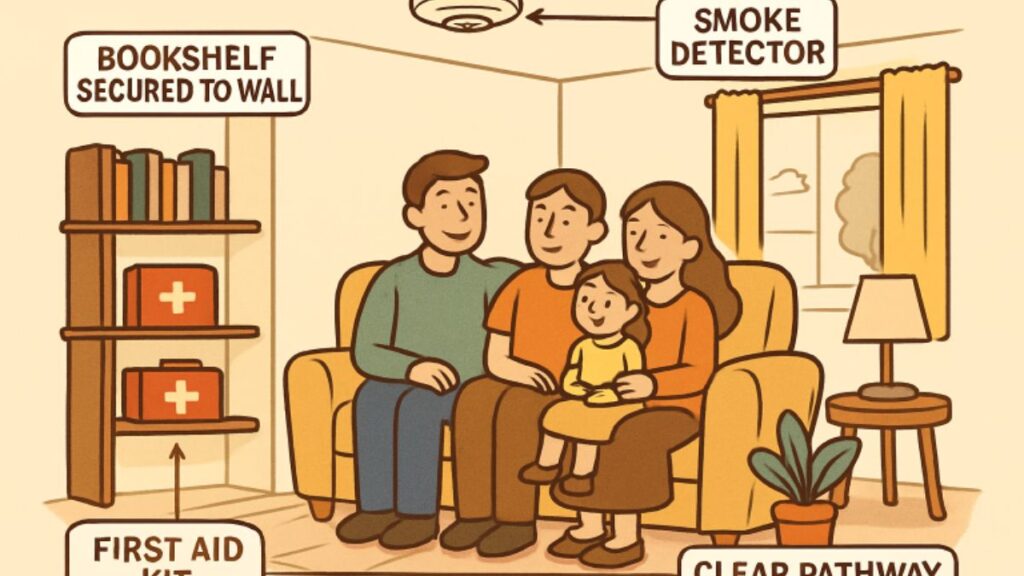
Installing smoke and carbon monoxide detectors is one of the most effective ways to protect your family from fire and gas hazards. It is essential to place them in strategic locations, such as each bedroom, outside sleeping areas, and on every floor, including the basement, to ensure comprehensive coverage. Regular maintenance is crucial; test these alarms monthly to confirm proper operation and replace the batteries at least twice a year to prevent any failures during emergencies. Early detection of smoke and gas leaks can significantly reduce the risk of injury or fatalities, providing valuable extra minutes for evacuation. Additionally, many newer models come with features such as silent alarms to reduce false alerts and digital readouts to monitor air quality levels. The National Fire Protection Association strongly recommends that detectors be interconnected so that when one sounds, they all alarm, offering synchronized warnings that can alert everyone in the house immediately. Proper placement and maintenance of these devices can be life-saving, giving you and your loved ones peace of mind.
Secure Heavy Furniture and Appliances
Bulky furniture and large appliances present significant safety risks, especially for children who may try to climb or pull on them. These items can easily tip over if not properly secured, posing a danger of injury or even entrapment. To mitigate these risks, it is essential to anchor tall items such as bookcases, dressers, and televisions securely to the wall. Use furniture straps and anti-tip kits to prevent anything from tipping over unexpectedly. In addition to anchoring furniture, consider placing safety locks on cabinets and using corner protectors to prevent injuries from sharp edges. Taking this simple step is recommended by pediatric safety experts and helps create a safer space for children to play and move freely.
Practice Kitchen Safety
The kitchen is often the heart of the home, but also a hotspot for accidental burns and fires. Focus on these proactive habits:
- Keep towels, paper, and other flammables away from the stove.
- Use back burners whenever possible and turn pot handles inward to avoid spills or accidental knocks.
- Install a smoke detector near the kitchen (but not right above the stove) to help catch smoldering fires and avoid constant nuisance alarms.
Being vigilant about these simple practices limits dangerous mishaps and ensures your cooking area remains a safe, welcoming space.
Enhance Home Security
Defending your home from unwanted intruders is just as essential as accident prevention. Start with a monitored alarm system that can quickly alert first responders. Add motion-sensor lights at entry points to improve visibility and deter theft. Finally, consider upgrading to smart locks that provide keyless entry, access logs, and the convenience of locking from your phone. These steps greatly reduce the risk of break-ins and keep your family’s safety top of mind.
Store Hazardous Materials Safely
Every home contains substances that should be kept out of children’s reach, such as cleaning supplies, medications, and batteries. Use childproof cabinet locks and store dangerous items high up and out of reach of curious hands. It is also important to keep batteries, especially 9-volt batteries, away from metal objects and in dedicated organizers to prevent fires.
Prepare for Emergencies
A well-stocked first-aid kit and a family emergency plan are essential in every household. Your first aid kit should include bandages, gauze, antiseptic wipes, scissors, thermometers, and flashlights with extra batteries. Take the time to hold regular drills and review your emergency protocol, ensuring everyone understands what to do and where to go in case of a fire, storm, or other crisis. Revisiting your plans ensures you will be prepared when it matters most.
Maintain Outdoor Safety
Outdoor spaces create their own set of hazards. Make sure walkways are always cleared of debris and adequately lit to prevent trips or falls. Storms can transform outdoor furniture and tools into dangerous projectiles, so keep them secured when not in use. As an added safety measure, install security cameras around your property for increased deterrence and peace of mind.
Regularly Inspect and Maintain Home Systems
Routine home maintenance helps prevent accidents and costly repairs. Schedule an annual inspection of your heating system to eliminate fire risks, clean dryer vents regularly to prevent lint buildup, and have all electrical systems checked for damage or wear. If you suspect a problem with wiring or outlets, always hire a licensed electrician to perform repairs. Proactive attention ensures your home’s infrastructure remains both safe and efficient.
Conclusion
Creating a safe home requires consistent attention to both everyday habits and long-term preventive measures. From installing and maintaining smoke and carbon monoxide detectors to securing furniture, practicing kitchen safety, and enhancing overall security, each step contributes to protecting your family and property. By properly storing hazardous materials, preparing for emergencies, and keeping outdoor areas and home systems well-maintained, you can significantly reduce risks and create a secure, comfortable environment. Prioritizing these safety practices not only safeguards loved ones but also fosters peace of mind, making your home a true haven year-round.