
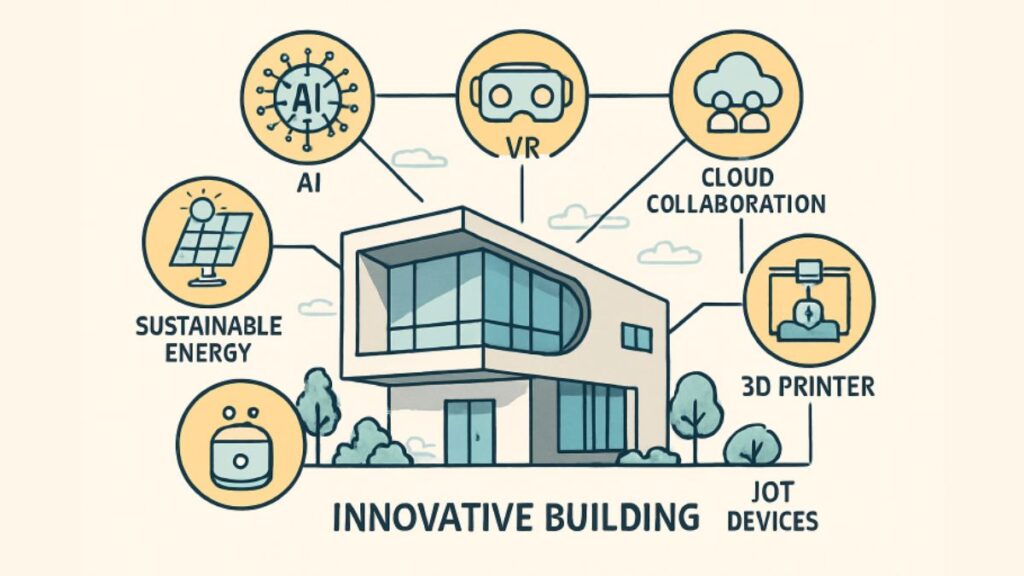
The world of architecture is entering an era of unprecedented transformation, driven by new technologies and shifting client expectations. Firms that wish to thrive must adapt and evolve in response to these rapid changes. Companies like Arch 11 are already embracing forward-thinking solutions, positioning themselves at the leading edge of the industry. Today’s architects are leveraging technology to craft designs that are not just visually stunning but also highly functional and environmentally responsible. By understanding and applying these innovations, firms ensure their competitiveness and ongoing client satisfaction.
This article provides an in-depth look at the most significant innovations shaping the future of architecture. From artificial intelligence and automation to green building and blockchain, these advancements are redefining how architects conceptualize, design, and deliver spaces that shape our built environment.
AI and Machine Learning Integration
Artificial intelligence (AI) and machine learning are fundamentally reshaping the architectural workflow. These tools enable architects to automate repetitive tasks and access data-driven insights that refine every phase of a project. AI-powered generative design, for example, rapidly produces a range of design options tailored to specific needs, such as optimal light flow, energy efficiency, or structural strength. Architects can then choose from these optimized layouts, leading to faster project delivery and improved design quality. Machine learning algorithms can also analyze building performance data to recommend intelligent upgrades, thereby enhancing sustainability and occupant comfort.
Virtual and Augmented Reality Enhancements
Virtual reality (VR) and augmented reality (AR) are redefining how design concepts are communicated and explored. VR immerses both architects and clients in a fully digital rendering of a proposed design, enabling true-to-scale walkthroughs before groundbreaking. AR takes this a step further by superimposing digital elements onto physical spaces via smartphones or tablets, streamlining presentations and real-time adjustments. These technologies foster deeper client engagement and more effective collaboration, reducing miscommunication and costly revisions during construction. According to ArchDaily, embracing VR and AR is becoming standard practice for forward-thinking firms.
Sustainable Design and Green Building Practices
Sustainable architecture is not just a trend; it has become a crucial consideration in modern design. Architectural firms are embracing practices that reduce energy use, incorporate renewable resources, and minimize environmental impact. This often involves using recycled or responsibly sourced materials, as well as installing high-performance insulation and energy-efficient systems. Certifications such as LEED (Leadership in Energy and Environmental Design) are widely sought after by both clients and professionals. Design strategies might include green roofs, rainwater harvesting, and passive solar heating, all of which contribute to reduced operating costs and a smaller ecological footprint, as outlined by The New York Times.
3D Printing and Construction Automation
3D printing is propelling architecture into an era of unprecedented creativity and efficiency. This technology allows the fabrication of intricate building components or even full structural elements, using less material and shorter timeframes than traditional construction methods. Large-scale 3D printers have produced entire habitats, including concrete homes and emergency shelters, using sustainable, cost-effective materials. Meanwhile, robotics is automating tasks such as bricklaying and inspection, reducing risks and labor costs while maintaining high standards of quality and safety.
Smart Buildings and IoT Integration
The rise of smart buildings reflects the integration of Internet of Things (IoT) devices, which collect and analyze data to automate building management systems. This includes energy-efficient lighting, heating, and cooling systems that adjust themselves based on occupancy, and innovative, advanced security measures controlled remotely. Smart building technology not only enhances occupant comfort and productivity but also provides building owners with granular insights into operational efficiency and long-term maintenance. These connected environments are at the core of “buildings of the future,” delivering value across every stage of the building lifecycle.
Collaborative Cloud-Based Platforms
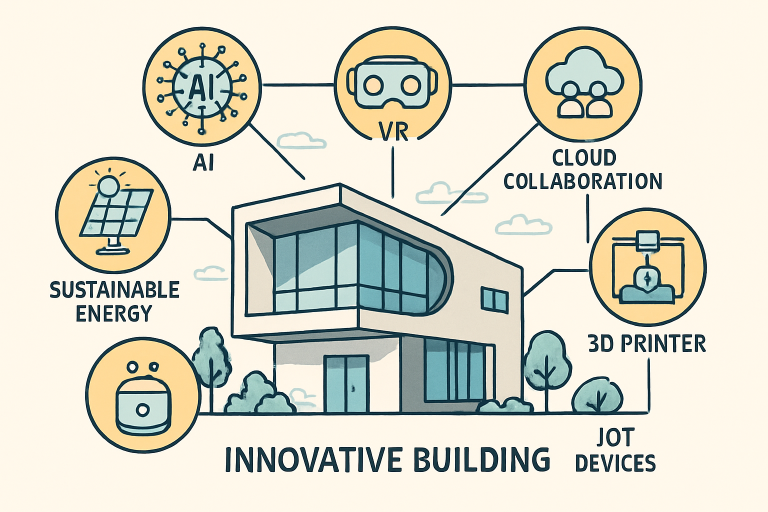
Effective collaboration has always been central to successful architectural projects. Cloud-based platforms, especially Building Information Modeling (BIM), create a shared workspace where stakeholders can view, edit, and approve plans in real time. This transparency significantly reduces errors and misunderstandings and supports more agile project management approaches. As remote and hybrid work arrangements become increasingly common, these digital platforms ensure the continuity and integrity of design and construction processes, keeping everyone on the same page from concept to completion.
Adaptive and Responsive Architecture
Adaptive architecture prioritizes flexibility and transformation to meet the evolving needs of users and the environment. Innovations such as movable interior walls, adjustable shading systems, and kinetic facades make buildings more resilient and resource-efficient. For example, dynamic windows can adjust tint or openness in response to sunlight, reducing energy use and improving comfort. These features enhance functionality, extend building lifespans, and contribute to sustainable development in cities and communities worldwide.
Blockchain in Construction Contracts
Blockchain technology is starting to impact the construction industry by introducing transparency, security, and automation into project contracts. Smart contracts are digital agreements that execute themselves when pre-set conditions are met, minimizing disputes and administrative delays. Additionally, blockchain provides a tamper-proof record of project milestones and payments, enabling firms and clients to track progress and financials efficiently. This level of trust and efficiency is helping to modernize and streamline workflows across the sector.
Innovations in architecture are not merely about embracing the latest trends but are essential strategies that define how firms respond to today’s challenges. Whether it is integrating artificial intelligence or designing environmentally friendly buildings, the future of architecture demands creativity, adaptability, and a commitment to sustainable growth. By implementing these cutting-edge solutions, firms can deliver value to their clients and communities for the long term.