
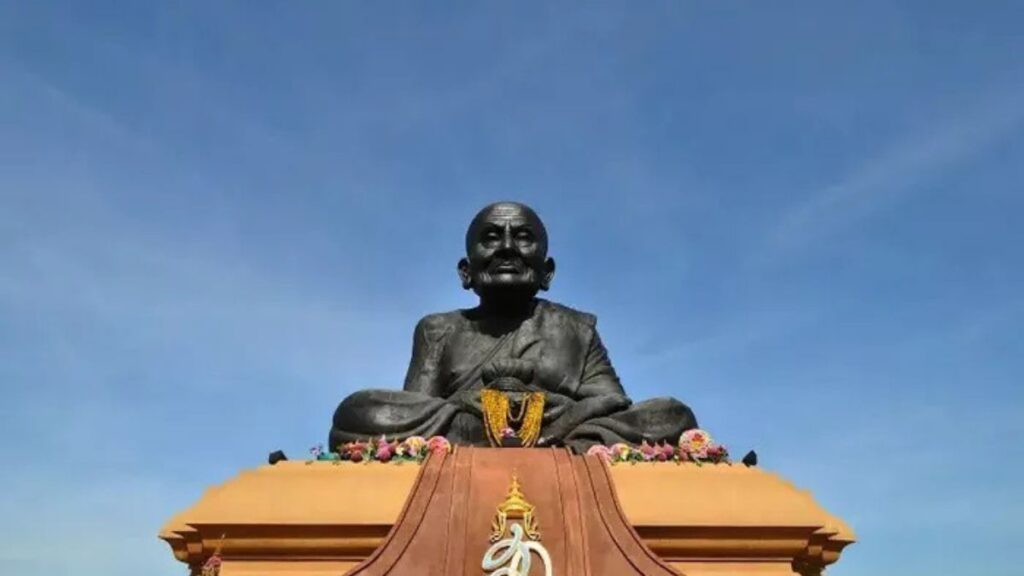
Introduction
The term Luang Phor holds a special place in Thai culture and Buddhism. Whether you are exploring Thailand’s spiritual traditions, visiting temples, or researching Buddhist teachings, you will likely encounter this respected title. Luang Phor is more than a simple honorific; it reflects deep respect for senior monks who have dedicated their lives to spiritual practice, teaching, and community service.
Across Thailand, many revered monks are affectionately referred to as Luang Phor. Their teachings, charitable work, and spiritual guidance have influenced generations of followers. Understanding the meaning and significance of Luang Phor offers valuable insight into Thai Buddhism and its role in everyday life.
What Does Luang Phor Mean?
In Thai language and culture, Luang Phor is an honorific title used to respectfully address senior Buddhist monks.
Definition of Luang Phor
The phrase generally translates to:
- “Venerable Father”
- “Revered Father”
- “Respected Elder Monk”
It is often given to monks who have earned admiration through years of service, wisdom, and devotion.
Why the Title Matters
The title reflects:
- Spiritual authority
- Moral leadership
- Community respect
- Dedication to Buddhist teachings
- Lifelong commitment to helping others
Because of this significance, many famous monks are remembered primarily by the title Luang Phor followed by their name.
The Historical Origins of Luang Phor
Thai Buddhism has deep roots dating back centuries. The use of honorary titles for respected monks evolved alongside the growth of Buddhist institutions throughout the country.
Development Through Thai History
As monasteries became centers of education and community life, senior monks gained important leadership roles. Local communities began using respectful titles to acknowledge their contributions.
The title Luang Phor gradually became associated with monks known for:
- Exceptional wisdom
- Meditation mastery
- Religious scholarship
- Public service
- Spiritual guidance
Today, the title remains one of the most respected forms of address within Thai Buddhist culture.
The Role of a Luang Phor in Thai Society
A Luang Phor often serves far beyond the walls of a temple.
Spiritual Teacher
Senior monks teach Buddhist principles such as:
- Compassion
- Mindfulness
- Ethical living
- Meditation
- Generosity
Community Leader
Many Luang Phor figures support local communities through:
- Educational initiatives
- Charity projects
- Counseling services
- Cultural preservation
- Disaster relief efforts
Cultural Guardian
Temples frequently act as custodians of local traditions. Senior monks help preserve ceremonies, festivals, and historical knowledge for future generations.
Key Characteristics of a Respected Luang Phor
Not every monk automatically receives widespread recognition. Reverence is usually earned through years of dedication.
| Characteristic | Importance in Buddhist Practice | Community Impact |
|---|---|---|
| Wisdom | Guides followers spiritually | Builds trust |
| Compassion | Encourages kindness | Strengthens communities |
| Discipline | Maintains monastic standards | Sets positive examples |
| Humility | Reflects Buddhist values | Inspires respect |
| Service | Supports public welfare | Creates lasting influence |
These qualities help explain why certain monks become deeply respected across Thailand.
Famous Luang Phor Monks in Thailand
Throughout history, several monks have achieved national recognition for their teachings and contributions.
Luang Phor Thuad
One of Thailand’s most revered monks, Luang Phor Thuad is associated with stories of compassion, wisdom, and miraculous events. His image appears in many amulets treasured by devotees.
Luang Phor Khun
Known for his generosity and charitable activities, Luang Phor Khun became a beloved figure throughout Thailand. He contributed significantly to educational and healthcare initiatives.
Luang Phor Sodh
A highly influential meditation teacher, Luang Phor Sodh played an important role in promoting meditation practices and Buddhist learning.
Comparison of Influential Luang Phor Figures
| Monk | Known For | Lasting Legacy |
|---|---|---|
| Luang Phor Thuad | Spiritual legends and compassion | Popular religious devotion |
| Luang Phor Khun | Charity and education | Community development |
| Luang Phor Sodh | Meditation teachings | Expansion of meditation practice |
These monks continue to inspire followers both in Thailand and internationally.
Luang Phor and Buddhist Meditation
Meditation remains a central aspect of Buddhist practice, and many respected Luang Phor monks are renowned meditation masters.
Types of Meditation Commonly Taught
Mindfulness Meditation
Practitioners focus on awareness of thoughts, emotions, and physical sensations.
Concentration Meditation
This practice develops mental stability and focus through sustained attention.
Loving-Kindness Meditation
Also known as metta meditation, it encourages compassion toward oneself and others.
Benefits of Meditation
- Reduced stress
- Improved focus
- Emotional balance
- Greater self-awareness
- Enhanced compassion
Many temple visitors seek guidance from senior monks when beginning a meditation practice.
Why Devotees Respect Luang Phor Monks
Respect for Luang Phor figures extends beyond religious obligation.
Reasons for Their Influence
- Personal example of ethical living
- Years of spiritual dedication
- Community leadership
- Practical life guidance
- Preservation of Buddhist traditions
For many followers, a respected monk serves as both a teacher and a role model.
Luang Phor Amulets and Their Cultural Significance
One fascinating aspect of Thai Buddhist culture is the popularity of monk-associated amulets.
What Are Luang Phor Amulets?
These are religious objects often created to commemorate respected monks or important temple events.
People value them because they symbolize:
- Faith
- Protection
- Spiritual connection
- Respect for Buddhist teachings
Understanding Their Purpose
| Purpose | Meaning |
|---|---|
| Remembrance | Honors respected monks |
| Inspiration | Encourages ethical living |
| Cultural Identity | Connects people to traditions |
| Spiritual Reflection | Reinforces faith and mindfulness |
While beliefs vary among individuals, many devotees view these items as reminders of Buddhist principles rather than magical objects.
Common Misunderstandings About Luang Phor
Despite widespread recognition, several misconceptions exist.
Mistake 1: Assuming All Monks Are Called Luang Phor
The title is generally reserved for respected senior monks and is not automatically applied to every monk.
Mistake 2: Focusing Only on Legends
Stories and legends often surround famous monks, but their teachings and service are equally important.
Mistake 3: Viewing Them as Historical Figures Only
Many contemporary Luang Phor monks actively teach and support communities today.
Pros and Cons of Following a Luang Phor’s Teachings
| Pros | Cons |
|---|---|
| Access to experienced guidance | Risk of focusing on personality over teachings |
| Strong moral examples | Misunderstanding cultural context |
| Community support | Potential reliance on secondhand interpretations |
| Encouragement for meditation | Different teachers may offer varying approaches |
A balanced approach emphasizes learning Buddhist principles while respecting the teacher.
Best Practices for Learning About Luang Phor
Study the Teachings
Focus on core Buddhist values rather than only biographies.
Visit Temples Respectfully
Observe local customs and etiquette when visiting religious sites.
Learn the Cultural Context
Understanding Thai culture enhances appreciation of the title and its significance.
Explore Meditation
Practical experience often provides deeper insight into Buddhist teachings.
Common Mistakes to Avoid
When researching or engaging with Thai Buddhism, avoid these common errors:
- Assuming all traditions are identical
- Ignoring historical context
- Overlooking the importance of community service
- Focusing solely on myths and legends
- Misinterpreting symbolic practices
Approaching the subject with curiosity and respect leads to a more accurate understanding.
The Continuing Relevance of Luang Phor Today
Modern society presents new challenges, yet the guidance offered by respected monks remains valuable for many people.
Their teachings often address:
- Stress management
- Ethical decision-making
- Mindfulness
- Community responsibility
- Personal growth
As Buddhism continues to spread globally, interest in the wisdom of influential Luang Phor figures also continues to grow.
Conclusion
The title Luang Phor represents far more than a respectful form of address. It symbolizes wisdom, service, compassion, and spiritual leadership within Thai Buddhism. Throughout history, revered monks bearing this title have shaped communities, preserved traditions, and guided countless individuals toward more mindful and ethical lives.
Whether you are studying Buddhist history, exploring Thai culture, or seeking spiritual insight, understanding the significance of Luang Phor provides a meaningful window into one of Thailand’s most respected traditions.
FAQs
1. What does Luang Phor mean?
Luang Phor is a Thai honorific title used to respectfully address revered senior Buddhist monks.
2. Is every Buddhist monk called Luang Phor?
No. The title is typically reserved for respected senior monks who have earned recognition through their service and spiritual leadership.
3. Why are Luang Phor monks important in Thailand?
They provide spiritual guidance, preserve cultural traditions, support communities, and teach Buddhist principles.
4. What are Luang Phor amulets?
They are religious items associated with respected monks or temples and often serve as symbols of faith and devotion.
5. Can non-Buddhists learn from Luang Phor teachings?
Yes. Many teachings focus on universal values such as compassion, mindfulness, ethics, and personal development.